
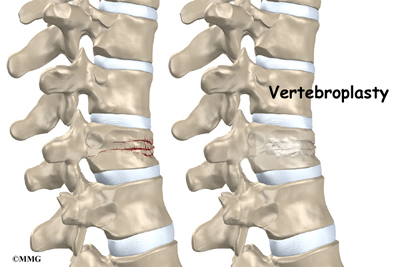
Vertebroplasty is an outpatient procedure for stabilizing compression fractures in the spine. Bone cement is injected into back bones (vertebrae) that have cracked or broken, often because of osteoporosis. The cement hardens, stabilizing the fractures and supporting the spine. For people with severe, disabling pain caused by a compression fracture, vertebroplasty can relieve pain, increase…
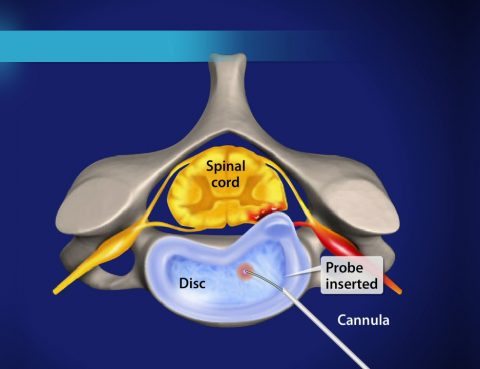
Nucleoplasty is a minimally invasive, image-guided therapy used to treat back pain and leg pain caused by herniated discs. It is performed in an outpatient setting, this procedure uses a needle that emits radio waves to shrink a disc bulge and on the nerves responsible for causing pain. The procedure usually takes less than an…
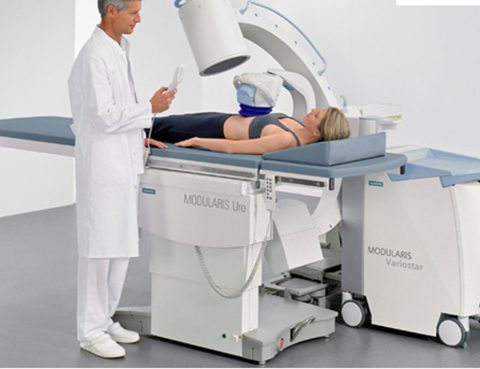
Shock Wave Lithotripsy (SWL) is the most common treatment for kidney stones. Shock waves from outside the body are targeted at a kidney stone causing the stone to fragment. The stones are broken into tiny pieces. It is sometimes called ESWL: Extracorporeal Shock Wave Lithotripsy. Kidney stones occur when minerals and other substances in the…
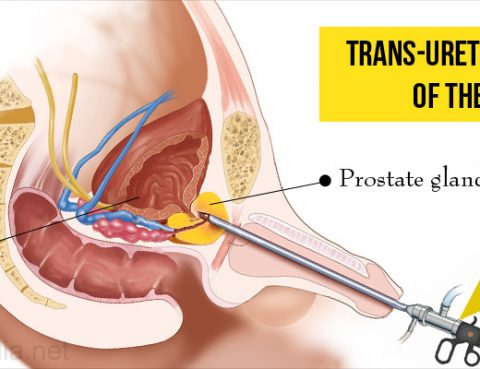
Transurethral resection of the prostate (TURP) is a surgery used to treat urinary problems that are caused by an enlarged prostate. The prostate is a small gland in the pelvis only found in men. It’s located between the penis and bladder, and surrounds the urethra (tube that carries urine from the bladder to the penis). …
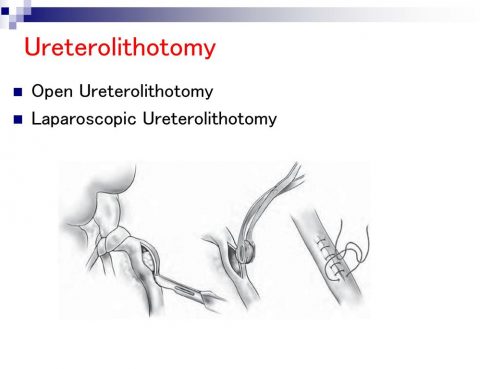
Ureterolithotomy refers to the open or laparoscopic surgical removal of a stone from the ureter. The ureter is a tube between the kidney and the bladder. Urine passes down to the bladder through this tube. Why get Ureterolithotomy? Ureterolithotomy is used to remove stones in a ureter that: Are too large to passCause pain or…
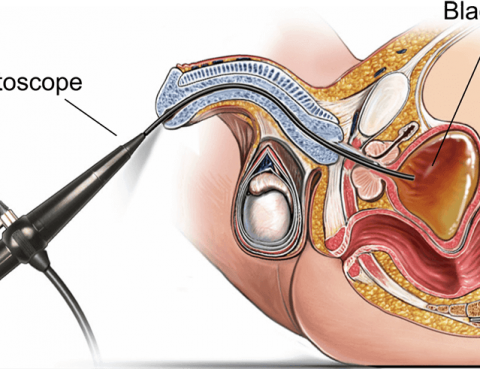
Cystoscopy is a procedure that allows the doctor to examine the lining of the bladder and the tube that carries urine out of the body. A hollow tube equipped with a lens is inserted into the urethra and slowly advanced into the bladder. A cystoscope is a thin tube with a camera and light on…
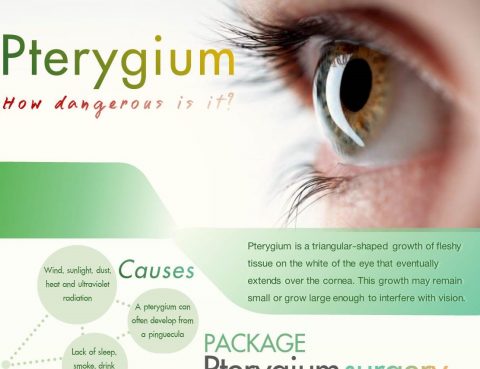
A pterygium is a growth of the conjunctiva or mucous membrane that covers the white part of the eye over the cornea. The cornea is the clear front covering of the eye. This benign or noncancerous growth is often shaped like a wedge. The growth could show up in one eye or both. When it…
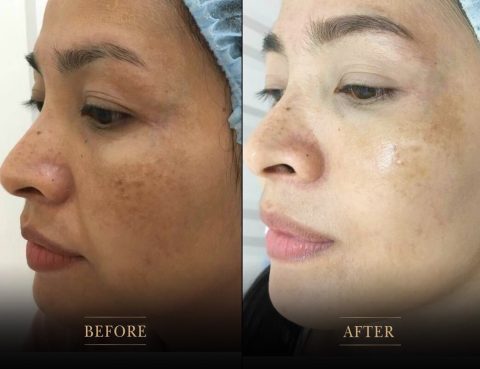
Meso melasma is an injection used to reduce melanin pigment production which causes the skin to have dark spots, and freckles. Meso melasma is suitable for people who have melasma and dark spots. Meso Procedure The specialist will apply the solution all over the face, then wrap the face with a plastic material in order…
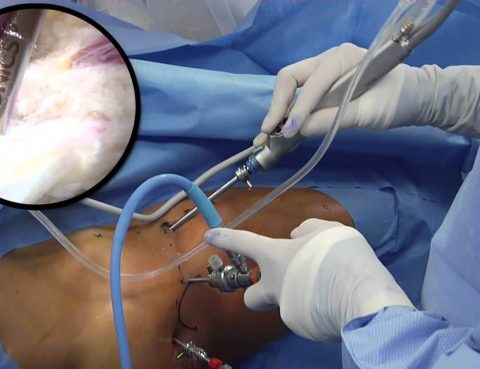
Arthroscopy is a procedure for diagnosing and treating joint problems. A surgeon inserts a narrow tube attached to a fiber-optic video camera through a small incision — about the size of a buttonhole. The view inside the joint is transmitted to a high-definition video monitor. By attaching the arthroscope to a miniature television camera, the…
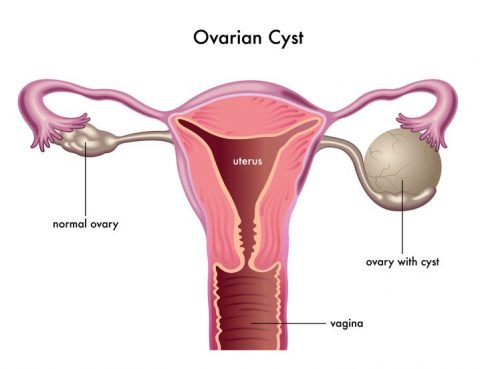
Ovarian cysts are fluid-filled sacs or pockets in an ovary or on its surface. Women have two ovaries — each about the size and shape of an almond — on each side of the uterus. Eggs (ova), which develop and mature in the ovaries, are released in monthly cycles during the childbearing years. A cyst…
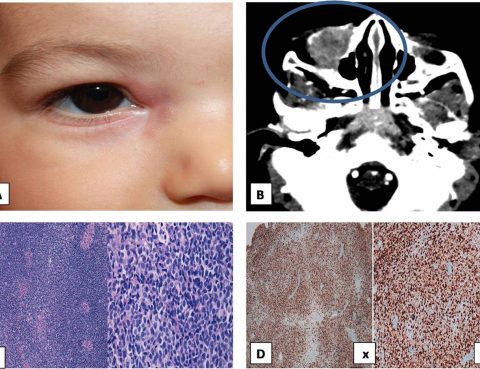
Rhabdomyosarcoma (RMS) is a rare type of cancer that forms in soft tissue – specifically skeletal muscle tissue or sometimes hollow organs such as the bladder or uterus. RMS can occur at any age, but it most often affects children. RMS can arise anywhere in the body. However, it’s more likely to start in the;…
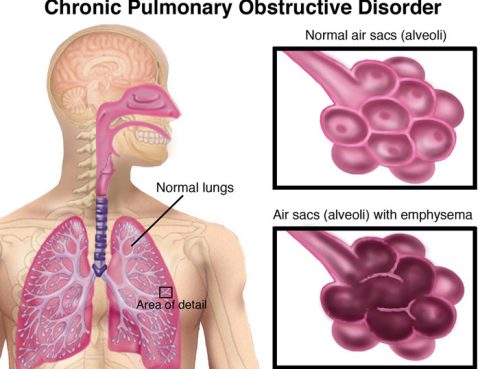
Chronic obstructive pulmonary disease (COPD) is a long-term lung condition that makes it hard for the patient to breath. Emphysema and chronic bronchitis are the two most common conditions that contribute to COPD. These two conditions usually occur together and can vary in severity among individuals with COPD. Types of COPD Emphysema – this results…

Deep vein thrombosis (DVT) is a serious condition that occurs when a blood clot forms in a vein located deep inside the body. A blood clot is a clump of blood that’s turned to a solid state. DVT can cause leg pain or swelling, but also can occur with no symptoms. Deep vein thrombosis can…
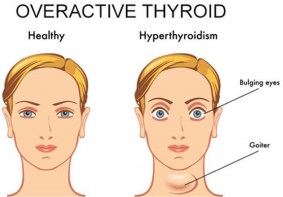
Hyperthyroidism (overactive thyroid) occurs when the thyroid gland produces too much of the hormone thyroxine. Hyperthyroidism can accelerate the body’s metabolism, causing unintentional weight loss and a rapid or irregular heartbeat. Symptoms Symptoms of an overactive thyroid can include; Nervousness, anxiety and irritability Hyperactivity – patients may find it hard to stay still and have a…
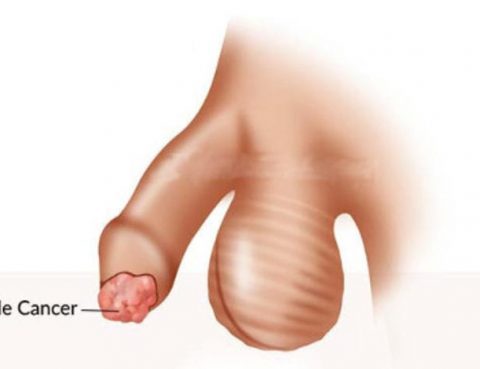
Penile cancer, or cancer of the penis, is when cells grow out of control on or in a man’s penis. It often starts in skin cells and can work its way inside. It’s rare but it can be treated, especially if it’s found early on. Types of Penile Cancer Squamous Cell or Epidermoid Carcinoma –…
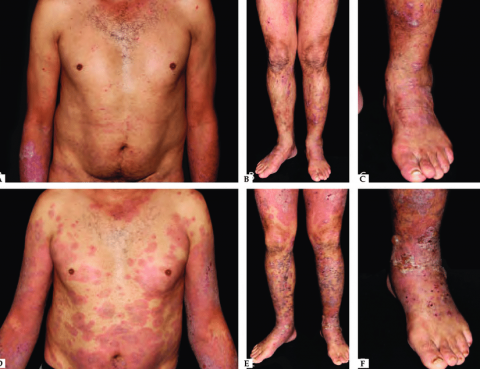
Lichen planus is an inflammatory skin condition, characterized by an itchy, non-infectious rash on the arms and legs. It consists of small, many-sided, flat-topped, pink or purple bumps that develop over several weeks. In the mouth, vagina and other areas covered by a mucous membrane, lichen planus forms lacy white patches, sometimes with painful sores. …

Psychosis is a condition that affects the way a person’s brain processes information. It causes them to lose touch with reality. They might see, hear, or believe things that aren’t real. Psychosis is a symptom, not an illness. A mental or physical illness, substance abuse, or extreme stress or trauma can cause it. People who…
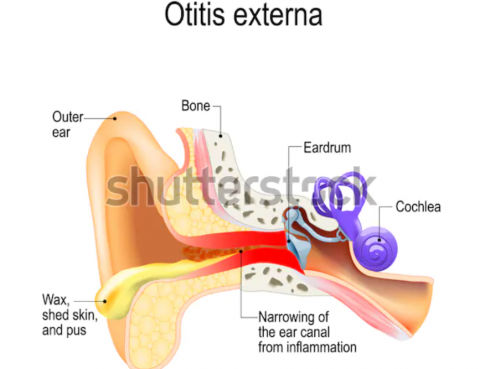
Otitis externa is an inflammation of the ear canal. The inflammation is usually caused by infection, although it can sometimes be due to allergy or irritation. It is a condition that causes inflammation (redness and swelling) of the external ear canal, which is the tube between the outer ear and eardrum. It is often referred…
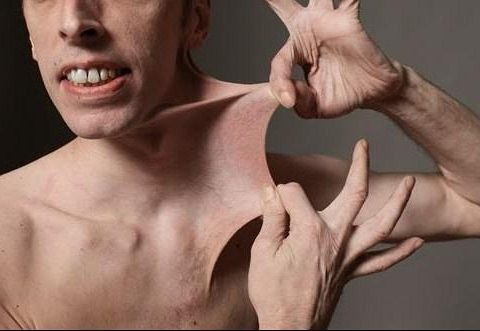
Ehlers-Danlos syndrome (EDS) is a disease that weakens the connective tissues of a person’s body. These are things like tendons and ligaments that hold parts of the body together. EDS can make the joints loose and the skin thin and easily bruised. It can also weaken blood vessels and organs. There’s no cure for EDS,…
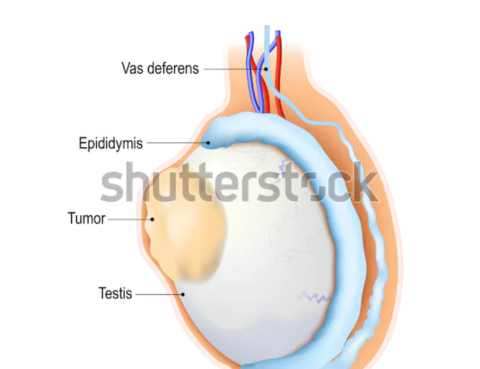
Testicular cancer occurs in the testicles (testes), which are located inside the scrotum, a loose bag of skin underneath the penis. The testicles produce male sex hormones and sperm for reproduction. Symptoms Symptoms of testicular cancer may include; A painless lump or swelling on either testicle. If found early, a testicular tumor may be about…